“Typical” Hides the Variables That Set the Time
There is no honest clock estimate from the phrase “typical home.” A compact house with open single-story eaves and dry loose leaves presents one task. The same footprint with steep ground, dense wet debris, guards, and a plugged downspout presents another. Building size is only one input.
A useful time discussion describes scope first. How much gutter is accessible? How high are the eaves? What material is present? Where are the outlets? Does the channel need cleaning only, or does it hide a repair condition? Those answers make scheduling more realistic without inventing a duration sight unseen.
Access Comes Before Debris Removal
Equipment must be positioned safely around the property. Sloped soil, soft planting beds, narrow side yards, fences, overhead lines, and roof additions can limit where access is possible. Repositioning safely takes part of the job, especially when several short gutter runs sit at different heights.
A clear, firm perimeter simplifies the setup. It does not justify rushing. The gutter should not support the ladder, and overreaching should be replaced by a controlled move to the next section.
Height and Roof Form Change the Method
Single-story straight runs are different from tall eaves, dormers, and inside corners. Valleys may hold debris above the gutter and deliver it to one concentrated point. Additions can create lower roofs beneath upper slopes. Each transition must be understood before the channel below is declared finished.
Steep or layered rooflines may require a different access method entirely. Time is then a safety consequence, not a measure of how slowly someone removes leaves.
Debris Has Weight, Density, and Adhesion
Dry loose leaves are easier to lift than a wet compacted mat. Spring catkins and seed fluff can bind with old residue. Samaras wedge at openings. Small plants add roots through the sludge. Twigs create frames that hold other material.
The apparent volume from the ground can be misleading. A nearly empty channel with a dense outlet plug may take careful clearing through a downspout elbow. A visibly full but dry open run may be more straightforward. Photos help, but current moisture and compaction still affect the work.
Guards Add Inspection Steps
Covered gutters require identifying the guard type and how it can be accessed without damage. Surface debris may need clearing. Sections may need to be opened or worked around. The channel and outlet beneath still require evaluation.
A guard that is poorly fitted, fastened through vulnerable material, or difficult to remove can change the scope substantially. This is one reason gutter guards should be chosen with future maintenance in mind.
Downspouts Can Extend the Task
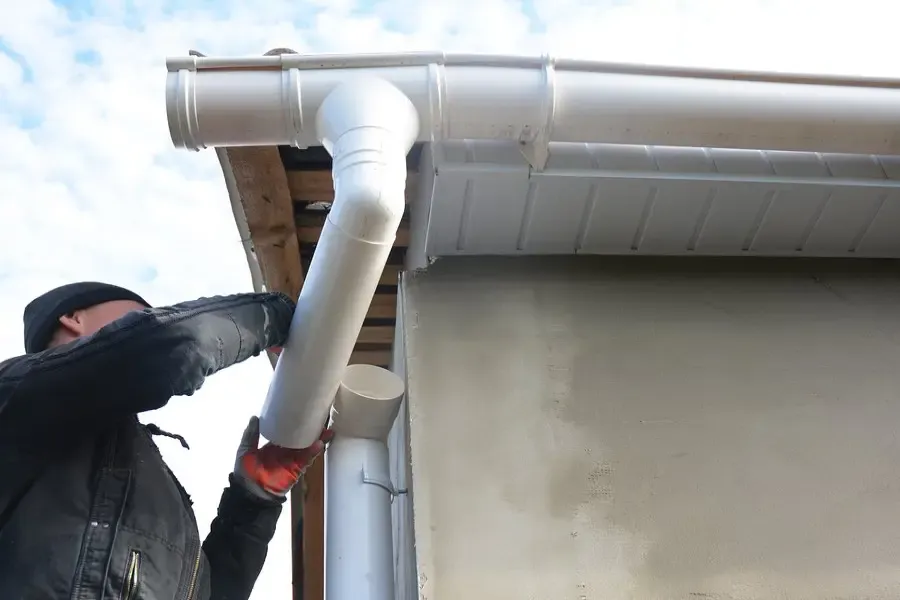
The horizontal run is not complete when the vertical path is unknown. Outlets and elbows can hold compacted debris. Lower sections may be disconnected or crushed. Extensions need to release water along a sensible route.
A simple ground-level obstruction may be resolved quickly. A blockage whose location cannot be reached or confirmed calls for more careful work. Blindly forcing material downward is not a reliable shortcut.
Cleanup and Final Observation Belong in the Scope
Removed organic material needs controlled handling so it does not cover walks, damage plantings, or return to the outlet. The exposed channel should be checked for standing water, loose parts, and open seams. Downspout connections should remain intact after clearing.
If a clean run still holds water or leaks, the finding becomes a repair discussion. The time for that correction should not be hidden inside a generic “cleaning” estimate unless it is actually part of the agreed scope.
Weather Can Change the Plan
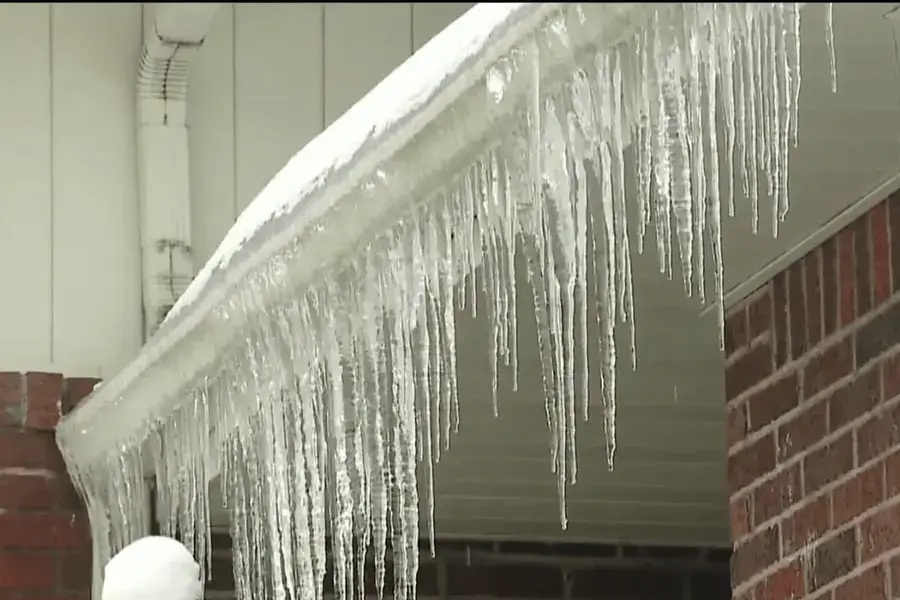
Rain, wind, soft ground, ice, and frozen debris affect safe access. A job that looks routine in dry conditions should be postponed rather than compressed into an unsafe window. Winter ice should not be chipped or heated with flame to preserve a schedule.
Season also changes the debris. A cleaning before the main leaf drop is finished may be followed by rapid refilling. Good timing can reduce repeat work even though it does not alter the minutes spent on the first visit.
How to Get a More Useful Estimate
Provide the number of stories or approximate eave height, roof complexity, tree cover, guard type, visible debris condition, and location of any overflow. Mention slopes, fences, narrow access, or additions. Ground-level photos of whole roof runs can show relationships better than a close image of one leaf pile.
Our gutter cleaning service page outlines the complete route. Call (734) 838-4946 for a free quote. The answer should explain which factors shape the job instead of assigning every home the same clock.