An Ice Dam Has More Than One Cause
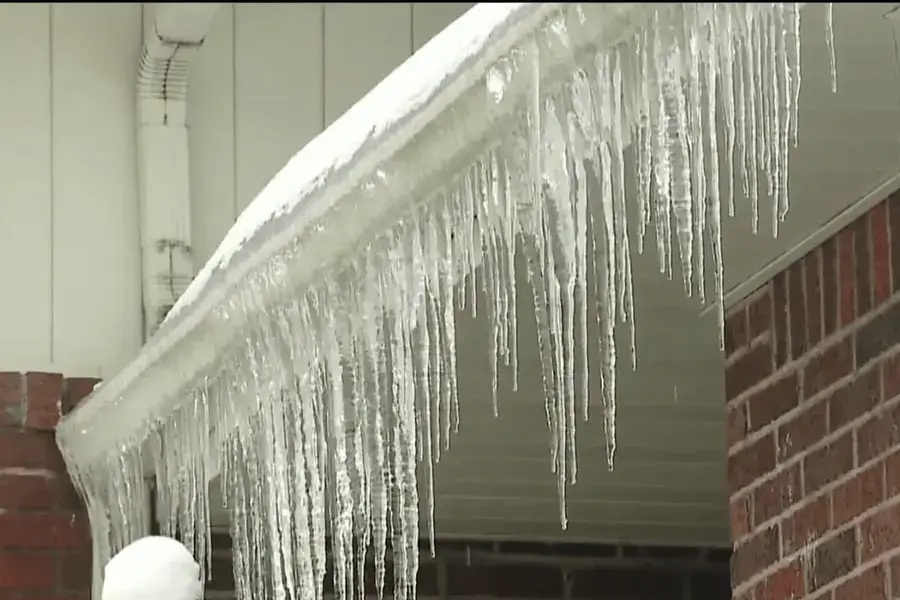
It is tempting to describe every band of roof-edge ice as a clogged-gutter problem. That is too simple. Ice dams develop when snow melts on a warmer part of the roof and the water reaches a colder edge where it refreezes. Heat movement, air leakage, insulation, roof shape, sun, shade, and outdoor temperature can all influence that pattern.
Gutters occupy the lower edge of the route. Their condition matters, but cleaning them is not a complete cure. The accurate claim is narrower: an open gutter removes debris that can retain meltwater and preserves the drainage path available at the eave.
What Debris Changes in Winter
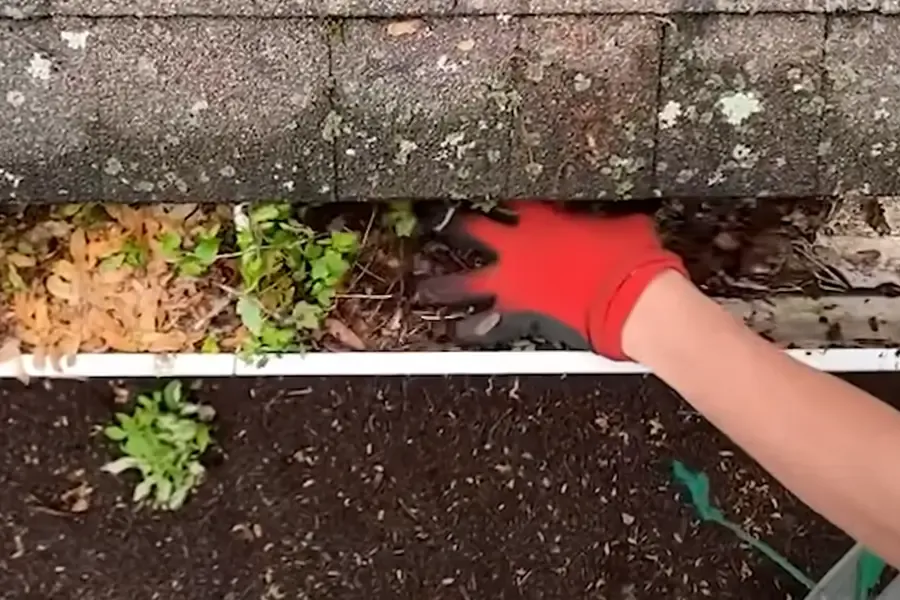
Autumn leaves flatten as they become wet. Fine particles fill the gaps, and the layer holds water like a shallow organic reservoir. If that material covers an outlet, liquid cannot move freely into the downspout. A later freeze turns retained water into ice within and around the gutter.
That ice adds weight. Freeze–thaw movement can work on already weak seams, supports, and connections. When temperatures rise again, the same obstruction can keep meltwater near the roof edge. Cleaning before winter reduces this storage layer; it does not change the temperature pattern above the eave.
Why a Clear Downspout Matters Too
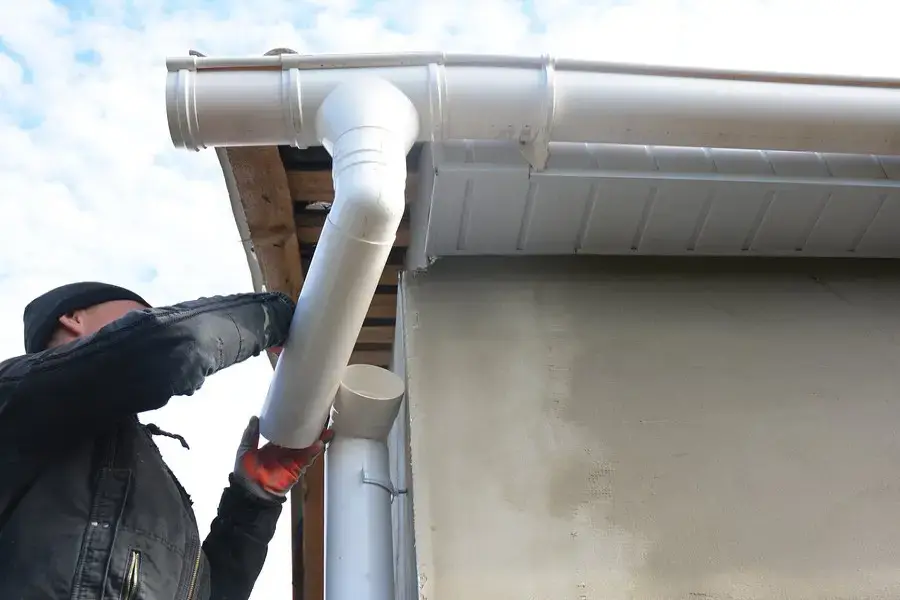
The upper channel is only one part of the exit. A plug in the outlet or an elbow can leave a visually clean gutter with no useful vertical route. Downspout sections should remain connected and open. At ground level, the extension needs a discharge direction that does not send water back toward the foundation.
Cold weather adds another consideration. Water released across a walk or drive can refreeze somewhere people travel. The winter drainage plan should therefore follow the route beyond the roof, not celebrate an open gutter in isolation.
What Clean Gutters Cannot Do
They cannot stop snow from landing on the roof. They cannot correct heat loss through the building. They cannot change a roof plane, eliminate shade, or guarantee that no icicle forms. They also cannot repair a gutter that has lost pitch or pulled away from the fascia.
Keeping these limits clear prevents delayed diagnosis. If ice returns along a clean, correctly draining edge, the roof and building conditions deserve attention beyond gutter service. If the channel holds a low pool after thawing, gutter repair may be relevant. Cleaning is one input, not an all-purpose winter claim.
Prepare During Safe Conditions
The useful work happens before the gutter freezes solid. After the main autumn leaf drop, check shaded runs, inside corners, valleys, and outlet areas. Remove material that obstructs flow, and examine whether the clean channel drains. Confirm that downspouts and extensions remain connected.
Timing depends on the trees above the house. A roof beneath mature maples or oaks can refill while leaf drop continues. If water still moves, waiting until the dominant drop passes may reduce repeated work. If a blockage is already causing overflow, current function matters more than the ideal calendar.
Do Not Attack a Frozen Gutter
Chipping ice can bend metal, disturb roof-edge materials, and send hard pieces toward people below. Open flame can damage the gutter, roofing, and building. Very hot water can create additional thermal stress and more runoff that refreezes. Climbing beside an icy eave combines fragile footing with falling-ice risk.
The calm response is to keep people away from the drop zone, observe from the ground, and wait for conditions that allow safe assessment. A winter emergency involving interior water, electrical risk, or active structural concern belongs with the appropriate emergency or building professional—not an improvised ladder visit.
Observe Again After Thawing
Once ice is gone, look for separated seams, pulled supports, displaced downspouts, and sections that retain water. Staining can show where repeated leakage occurred. Clearing any remaining debris then makes a repair decision more reliable.
If the system is intact and open, no additional gutter work may be needed. Persistent roof-edge ice on a clear system is evidence to broaden the investigation rather than schedule cleaning again.
The Useful Role of Fall Cleaning
Fall gutter cleaning removes one controllable contributor before Ann Arbor winter: material that blocks outlets and stores water. That is worthwhile precisely because it is specific. It supports drainage during melt periods without pretending to solve every ice-dam cause.
For a free quote, call (734) 838-4946 and describe the tree cover, roof height, visible debris, and where ice or overflow has appeared. The next step should fit the mechanism you can actually observe.