Services
Gutter Cleaning
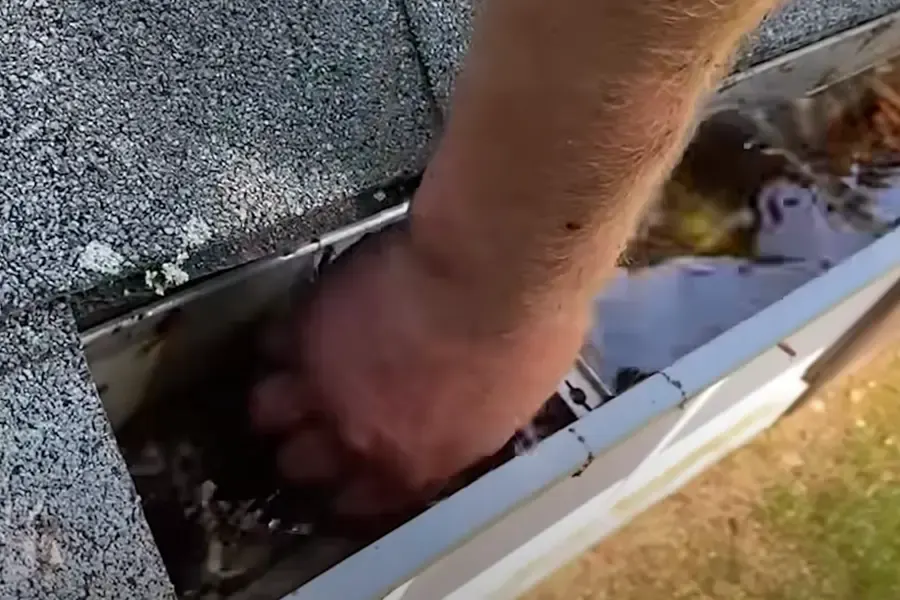
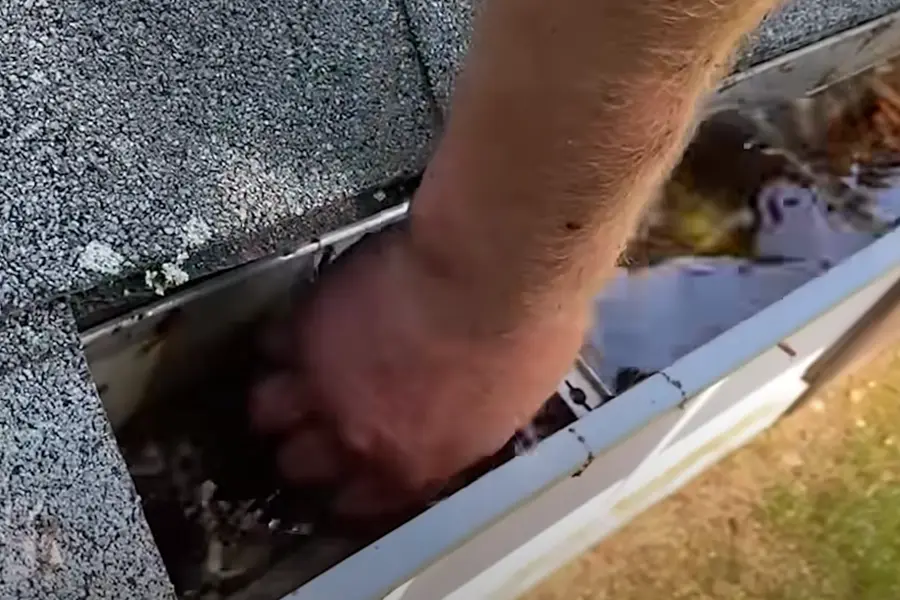
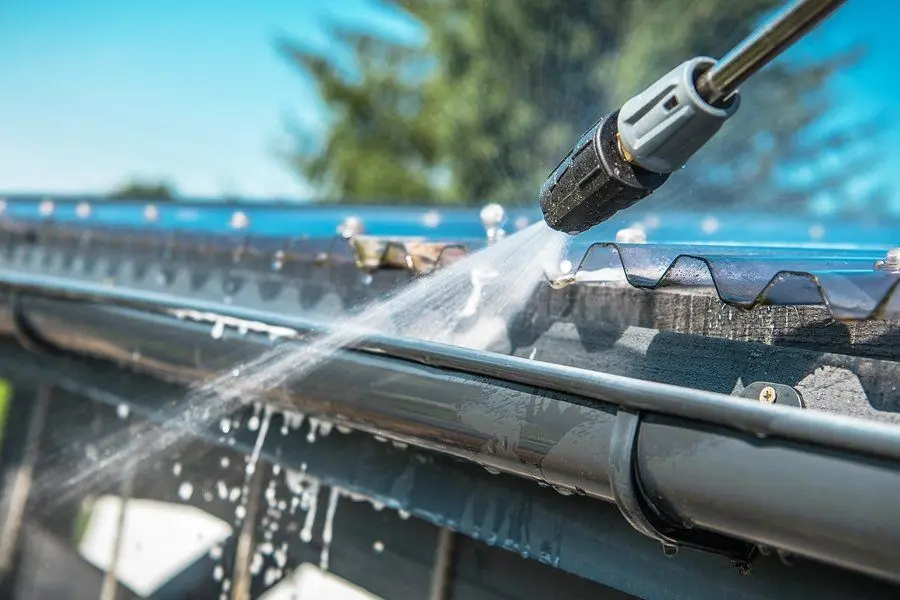
Remove leaves, seed material, and settled organic residue from channels and outlets, then consider whether the downspout path is open. See the complete scope on our cleaning service page.

Gutter Repair
Loose fasteners, separated joints, damaged sections, and poor pitch can remain after debris is gone. Repair starts by distinguishing a material failure from a blockage. See our gutter repair approach.

Gutter Guards
Guards exchange one kind of maintenance for another; they do not make the roof edge maintenance-free. Compare openings and debris behavior on the gutter guards page.

Gutter Installation
A replacement system has to collect water, carry it toward outlets, and discharge it sensibly. Review the planning questions behind gutter installation.

Roof Cleaning
Loose leaves, twigs, and seed material on the roof keep supplying the gutter below. Roof cleaning addresses accessible organic debris without treating every stain as the same problem.

DIY Planning
Ground-level checks and some stable, single-story work can be practical. Our homeowner safety framework identifies the conditions that should end a do-it-yourself plan.
Why Ann Arbor Gutters Need a Two-Season Plan
Autumn is the visible load
November leaf drop gets the attention because the volume is easy to see. Under mature trees, however, one early cleaning can be premature. Leaves still attached to nearby branches will eventually reach the roof, and wind can refill an exposed run. The better timing follows the trees above the actual house. Clearing after the dominant drop reduces the material left to hold water and freeze, while an earlier visit can make sense where a packed gutter is already overflowing.
Spring makes finer blockages
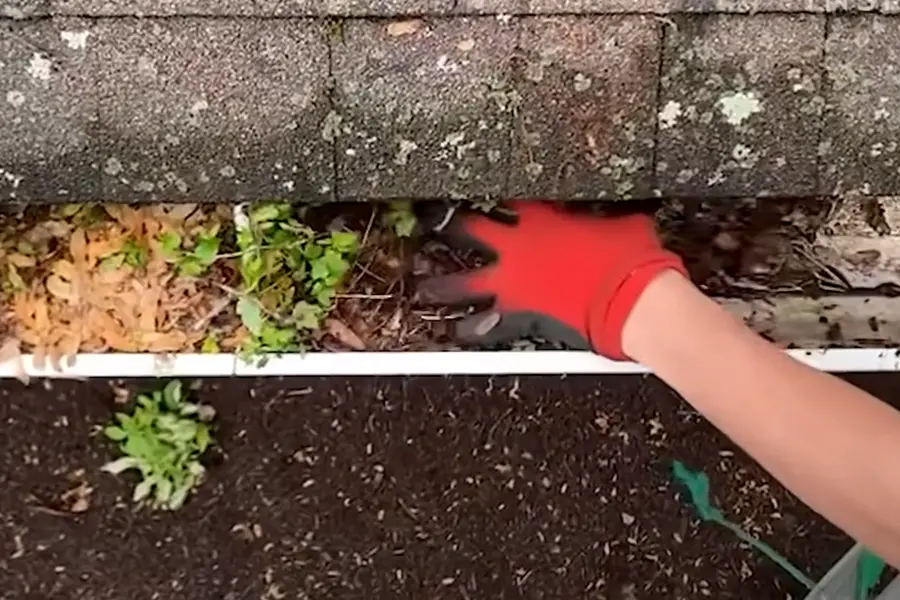
Maple helicopters, oak catkins, and seed fluff behave differently from dry leaves. They enter small spaces, collect at outlet holes, and mix with the residue that winter left behind. When that mixture stays damp, it becomes a mat rather than a loose pile. A roofline that looked acceptable after autumn can therefore develop a spring restriction without another large leaf fall. The spring check is not automatic for every property; it is most useful where the surrounding trees produce a meaningful second debris season.
Winter exposes retained water
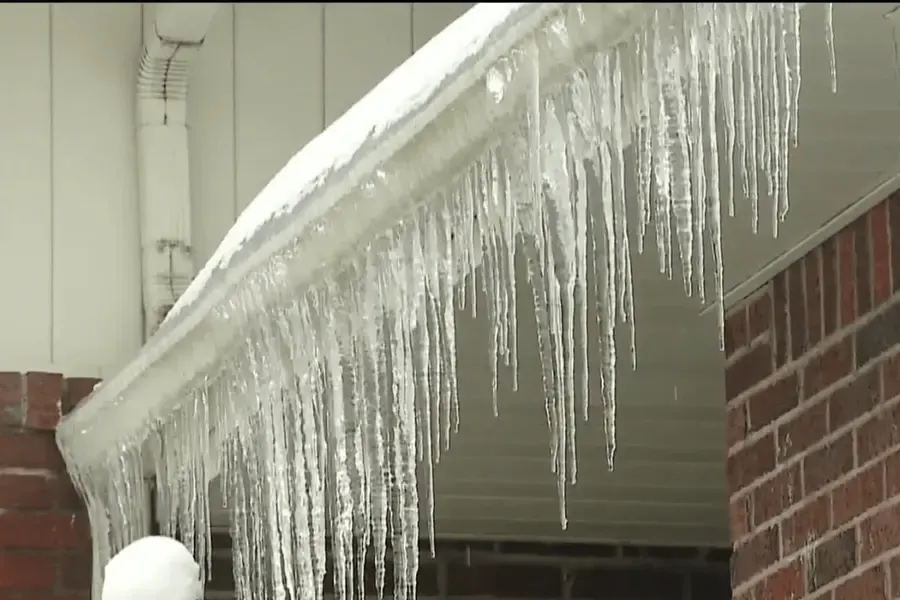
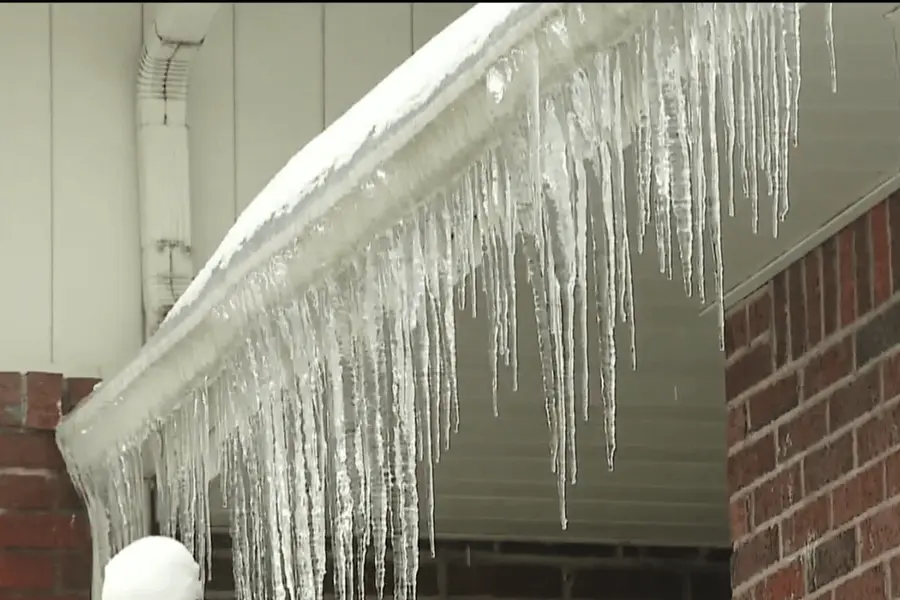
Snow on the roof eventually produces meltwater. If an outlet is restricted, that water can linger at the eave and refreeze as temperatures change. Clean gutters cannot prevent every ice dam because heat movement through the roof also matters. They do remove debris that stores water in the channel, and they make the intended drainage route available when melting occurs. That is a specific benefit, not a claim that cleaning controls the weather or solves an insulation problem.
About Ann Arbor Gutter Cleaning
Ann Arbor Gutter Cleaning is a service-area business for Ann Arbor and nearby Washtenaw County communities. The work centers on roof-edge drainage: removing debris, evaluating visible trouble spots, discussing guard tradeoffs, and planning repair or replacement when cleaning alone cannot restore the route.
Our approach is deliberately explanatory. Overflow at one outlet means something different from a long section spilling evenly. A seam that leaks after the channel has been cleared presents a different problem from water escaping over a leaf dam. Downspouts also deserve equal attention; an open gutter cannot protect the foundation if its outlet is blocked or its discharge stops beside the wall.
Some jobs are reasonable for a homeowner. Some are poor ladder problems. The distinction depends on height, roof pitch, soil, obstacles, weather, and comfort—not on a sales script. We would rather identify the actual constraint than make every roofline sound urgent.
Questions Worth Asking
Is the gutter blocked, broken, or both?
Start with the pattern. Water spilling above one downspout often points toward a local restriction. A low section that retains water after the rest drains may have lost pitch or support. Drips at a joint can be hidden while leaves are dry, then appear once water reaches the seam. Cleaning is the necessary first step when debris prevents inspection, but it should not be confused with a repair. If the metal, connection, or alignment has failed, an empty channel can still leak.
Where does the downspout finish the job?
The roof sheds water to the gutter; the gutter sends it to the downspout; the downspout releases it at ground level. A short extension or poorly aimed discharge can put that water beside the foundation. That is especially unwelcome around a basement, but the observation does not require a dramatic claim: simply watch where the outlet ends and whether the final route continues away from the house. An extension matters because drainage is a complete path, not because a clean gutter alone guarantees a dry lower level.
Common Gutter Questions
How often should Ann Arbor gutters be checked?
Use the trees and observed flow as the schedule. Homes directly below maples or oaks may need attention after spring seed fall and again after autumn leaves. An open roofline may need less. Look rather than assume.
What does overflow tell me?
The location narrows the possibilities. A concentrated spill near an outlet suggests a clog there. Water along a longer run may mean widespread debris, inadequate pitch, or more roof runoff arriving than that section can accept. Observe from the ground during safe conditions and note the pattern.
Does every visible leaf mean it is time to clean?
No. A few dry leaves in an otherwise open channel are not the same as a compacted layer over the outlet. Cleaning is useful when material impedes drainage, holds moisture, or prevents inspection. If water moves freely and debris is sparse, waiting can be reasonable.
Will gutter guards stop maintenance?
No. A screen can block large leaves while catkins and fine particles collect on top or pass through. Reverse-curve designs also need clear surfaces and correct water behavior. Guards can reduce a particular debris load, but inspection remains part of ownership.
Can clean gutters prevent ice dams?
They address one contributor by giving meltwater a clearer exit and reducing wet debris at the eave. They cannot correct heat loss, air leakage, insulation, roof geometry, or every freeze pattern. Treat cleaning as drainage maintenance, not a complete ice-dam remedy.
Is gutter cleaning a sensible DIY task?
It can be when the work is reachable from stable ground or involves a secure, single-story setup with suitable equipment and a helper. Tall eaves, steep roof planes, soft ground, overhead hazards, or ice are strong reasons to stop.
What should happen to compacted debris?
It needs to come out of the channel and away from the outlet rather than being pushed farther into the downspout. The run can then be examined for standing water, loose parts, and joints that were hidden by the material.
How do I start a quote?
Describe the building height, the sections you can see, nearby trees, any overflow location, and whether guards are present. Photos taken safely from the ground can add context. Call (734) 838-4946 or use the quote form; exact scope depends on the actual roofline.
Spring Debris Deserves a Place on the Calendar

Spring is easy to miss because its debris rarely looks as dramatic as an autumn gutter packed with leaves. The mechanism is quieter. Catkins bend and layer. Samaras wedge around outlets. Seed fluff catches on damp residue. Small material accumulates until the opening through which all roof water must pass becomes smaller still.
Before booking automatically, make a ground-level observation. Can you see growth in the channel? Does water spill at one corner? Are seed clusters sitting on a guard surface? If the answer is no and drainage appears normal, a cleaning may not be necessary. If the evidence points to a restriction, spring service can restore the path before the material settles into summer sludge.
Tree Canopy Changes the Roofline

Ann Arbor’s canopy is not a background detail for gutter care; it is the source term in the problem. Branch position determines which roof planes receive the most material. Roof slope moves that material toward particular valleys and eaves. Inside corners concentrate it. Outlet location decides whether a small mat causes a large interruption.
The same reasoning works beyond the city center. A wooded lot, an open subdivision, and a house beside wind-exposed trees will not share one perfect interval. Pay attention after the debris event that matters at your property, then follow the path all the way to the ground. That is the basis for measured gutter cleaning in Ann Arbor: specific observations, useful maintenance, and no invented urgency.
Use Two Checkpoints, Not One Habit
Look after the major autumn leaf drop, then look again after spring samaras, catkins, and seed fluff have moved through the canopy. The second load is finer. It can settle in damp material left near an outlet and begin sprouting before the channel looks full from the ground.
Describe the roof plane and downspout as one route when you call. Include the Ann Arbor-area address, stories, older additions, inside corners, guards, ground conditions, and where the outlet ends. During winter, note whether meltwater is moving or refreezing at a particular eave. We separate debris removal from seam, support, roof-edge, and basement-drainage questions so the requested work stays clear.