“Worth It” Depends on the Debris Trade
Mature oaks and maples create a strong case for asking about gutter guards. They do not automatically create a strong case for buying them. A guard exchanges open-channel debris for a combination of rejected material, surface accumulation, and whatever passes through. Its value depends on whether that exchange makes maintenance safer or less frequent at a particular roofline.
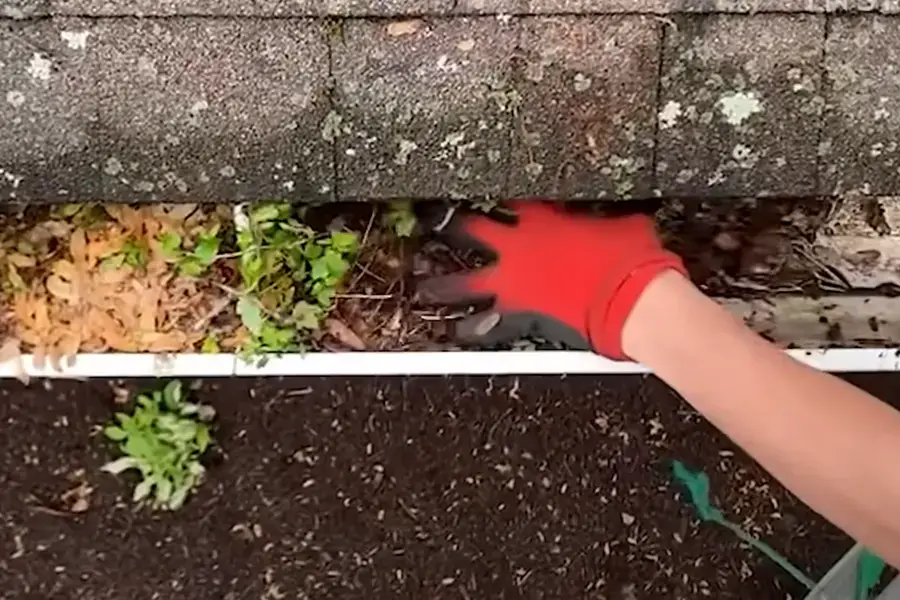
Begin with what actually fills the gutter. Broad leaves, samaras, catkins, seed fluff, twigs, and roof particles behave differently. A guard that performs well against one can struggle with another.
Maples Send More Than Leaves
Maple leaves create the obvious autumn volume. Their spring samaras create a different problem. The paired seeds can lie across mesh, stand in larger screen openings, or travel into the channel where the opening permits. Stems catch other particles around them.
Fine mesh may exclude samaras more effectively than an open screen, but the material remains on top until wind removes it or maintenance does. If the roof geometry shelters that surface, a mat can form. The question becomes whether surface clearing is easier than the previous open-gutter task.
Oaks Add Flexible Spring Material
Oak leaves are broad enough for many guards to reject. Catkins are thin and flexible. They bend through larger openings and layer across finer ones. When wet, they adhere to the surface and each other. This means a guard evaluation made only during autumn leaf drop misses a major part of the local debris cycle.
Twigs also matter under mature oaks. A small branch can bridge a guard and hold leaves that might otherwise blow away. Valleys and inside corners create additional catch points before material even reaches the protected gutter.
Access Can Decide the Value
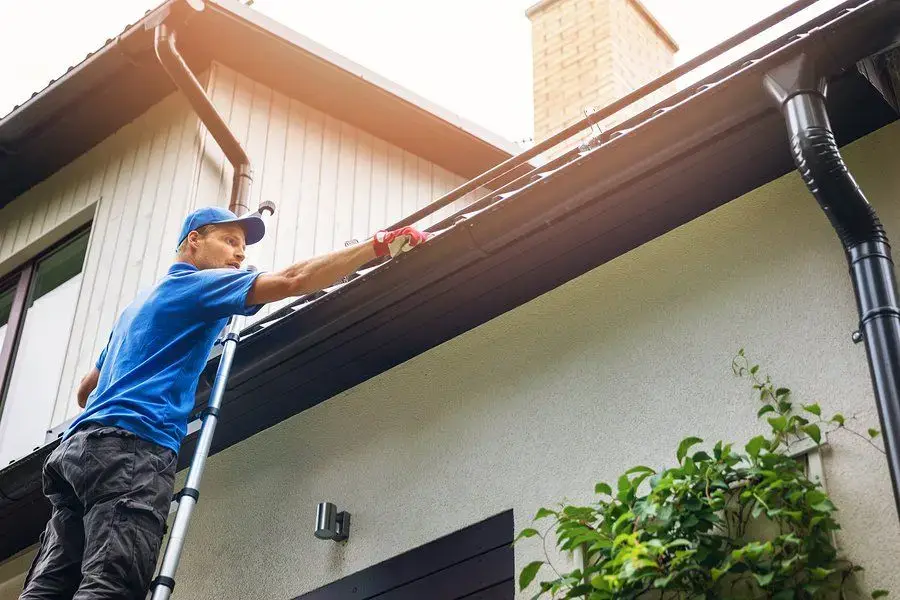
A difficult, tall gutter under dense canopy may benefit from reducing the amount of material inside the channel, provided the guard surface can still be serviced sensibly. A low, safely accessible run may be easier to clean open than to disassemble or work around a cover.
Ask how inspection will occur after installation. Can the surface be seen from the ground? Can sections be lifted without damage? How will the outlet be checked? If the guard hides problems and complicates every future visit, its practical cost is not limited to installation.
Roof Geometry Can Defeat a General Promise
Water arriving below a valley has more momentum and concentration than water spread across a straight eave. Some covers may shed water past the edge in that location. Inside corners collect debris on top. Steep roof planes change how quickly runoff reaches the guard.
A product category cannot answer these geometry questions by itself. The system must be evaluated where roof water meets the protected edge. Gutter guards should follow a route analysis, not precede it.
Snow and Ice Remain
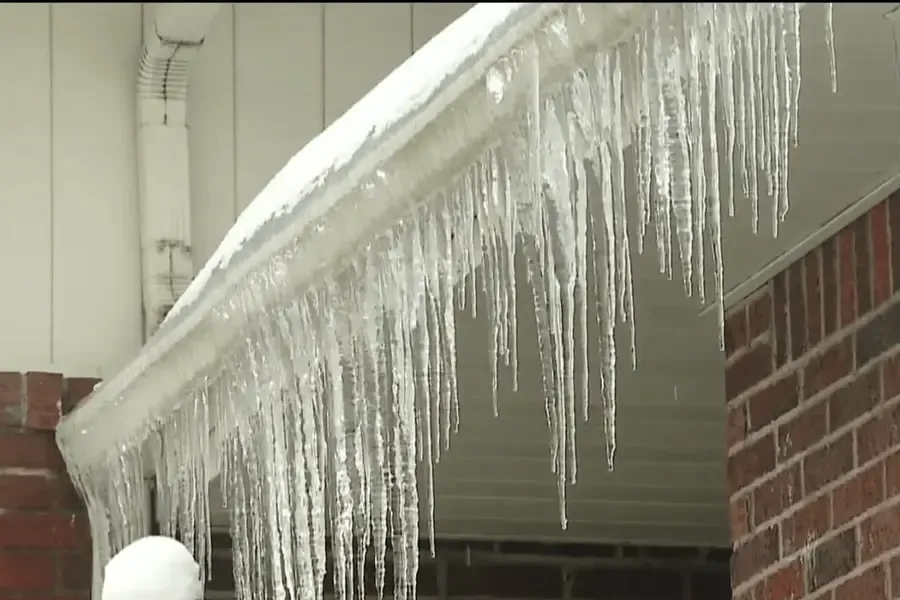
Guards do not stop snow from reaching the roof edge. They do not change heat escaping through the roof or guarantee that no icicles form. Covers may change where snow or ice rests, but winter inspection remains necessary.
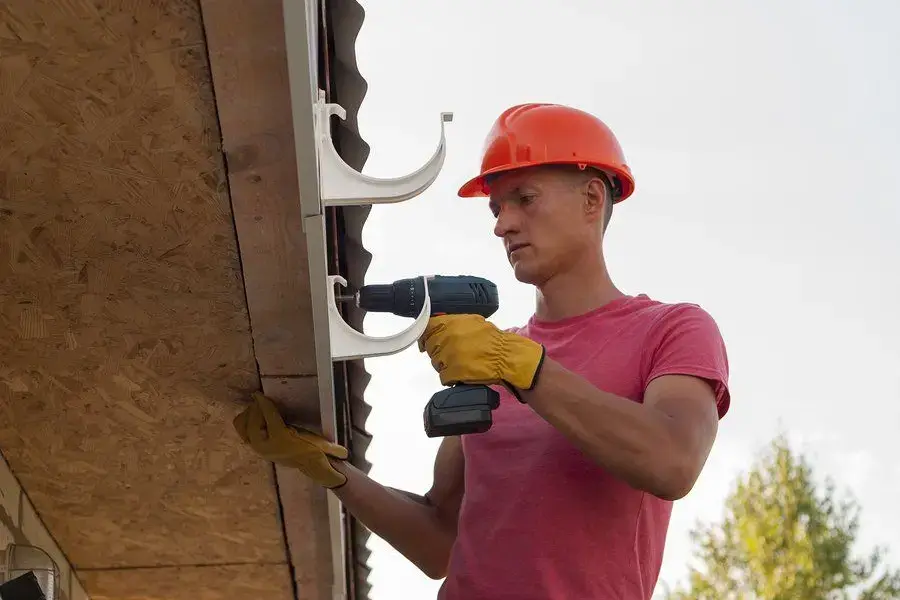
Before installation, the existing gutter should be clean, correctly pitched, secure, and open through the downspout. Covering a low section or failed joint hides the defect. Complete any necessary gutter repair first.
When Guards Are More Plausible
The case becomes stronger when broad leaves repeatedly fill a difficult run, outlets clog despite well-timed cleaning, and a suitable surface can be maintained with less risk. It also helps when the roof edge is straightforward enough for correct fitting and water entry.
Even then, the expected benefit should be phrased as reduced large-debris entry, not no maintenance. Fine particles will still arrive. The channel should still be inspected periodically, and downspout discharge still matters.
When Open Gutters Are Simpler
An open lot with a modest load, a low accessible eave, or predominantly fine debris may not gain much. If mesh mats over each spring, surface clearing can resemble the cleaning it replaced. If a complex roof requires custom transitions at many corners, access and inspection may become more involved.
There is also no need to replace a system that is working simply because guards are available. If observation and periodic cleaning already keep the route open, continued maintenance is a valid decision.
Compare One Season at a Time
Record what arrives in spring and what arrives in autumn. Note the first clog location, the difficulty of reaching it, and whether the problem is in the channel or at the outlet. That evidence allows a meaningful comparison between open cleaning and guard maintenance.
For a free guard quote or an honest “not worth it” discussion, call (734) 838-4946. The recommendation should name the material it addresses and the maintenance that remains.